As mead makers, we encounter both great interest and a great deal of lack of knowledge about a type of wine with deep historical roots in Denmark and the other Nordic countries.
Mead is any type of wine you can brew where the alcohol is essentially created through the fermentation of honey. The process is the same as in all other winemaking, but while grape wine involves juggling different grape varieties and fruit wine different kinds of fruit, mead makers are free to blend the honey with fruit, berries, herbs, and spices. On top of that, you can work with different types of honey that carry the flavours of the flowers the bees have foraged.
This means mead offers an incredibly broad world of flavours and comes in different alcohol strengths and levels of sweetness, from very sweet to dry styles.
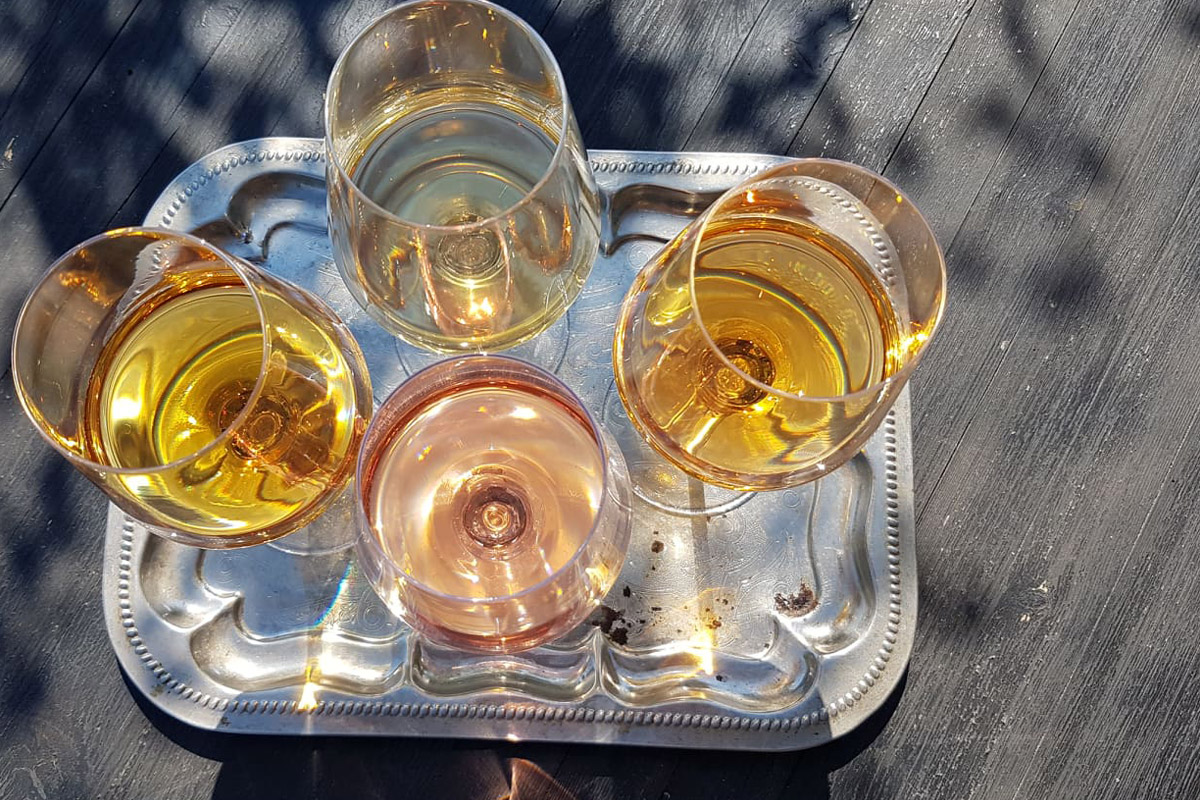
In terms of international standards, there are a number of mead categories: Sack – a pure fermentation of water and honey. Typically a very sweet style of mead.
Pyment – a grape mead made by fermenting grape must and honey. A style developed by the ancient Romans. Internationally, a white wine sweetened with honey is also recognised as a pyment, but here at home we would probably reject it as mead.
Cyser – an apple mead made with juice from eating apples or cider apples and honey. Melomel – made with different types of berries and fruit.
Metheglin – made with herbs, typically herbs believed to have healing/health benefits.
Hippocras – here the mead is spiced with, for example, ginger, liquorice root, cinnamon, etc.
Braggot – made with malt and honey.
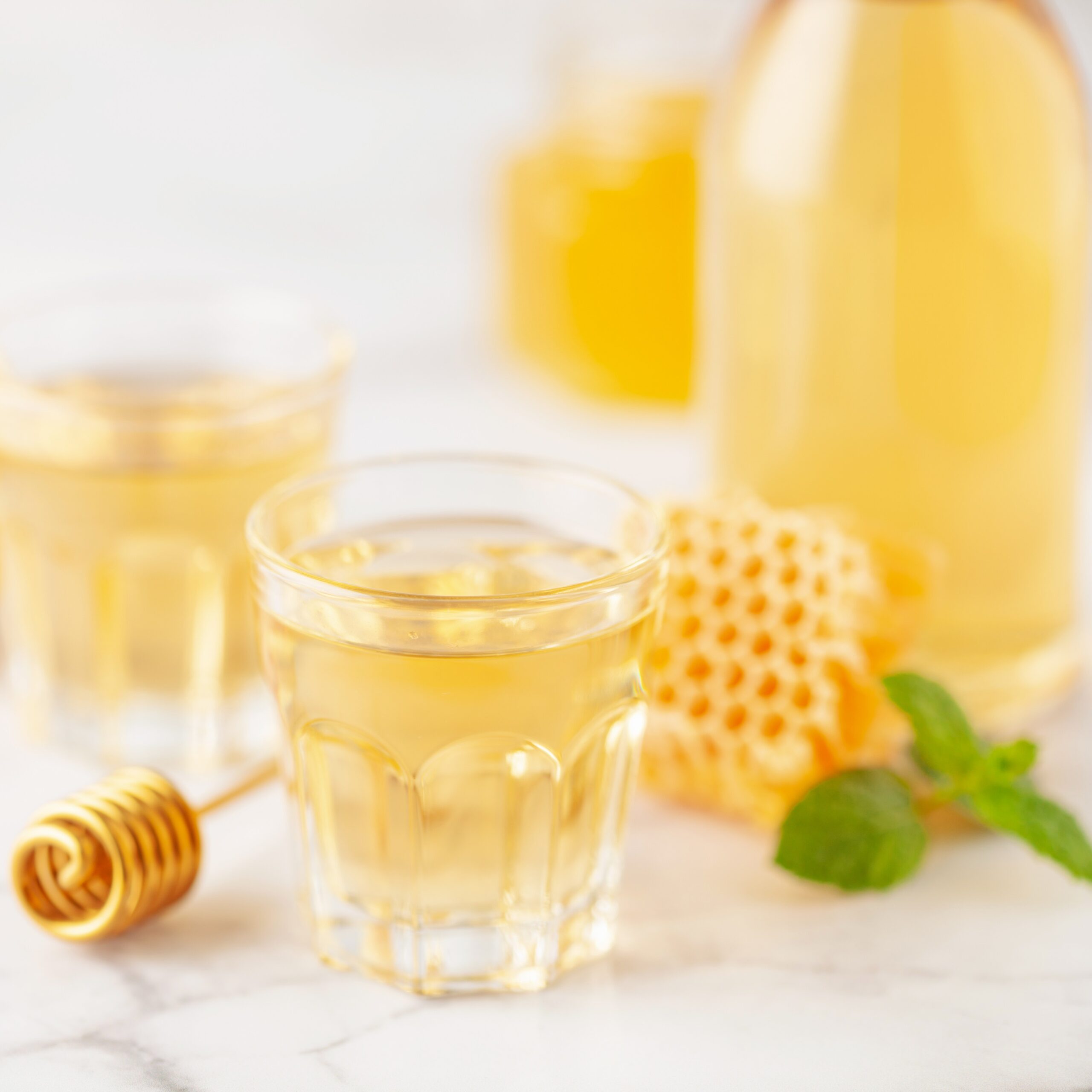
The raw material in mead is honey, so as mead makers we pay close attention to which types of honey we have access to. Honey contains a range of different sugars, some fermentable and others not. Honey contains fructose, glucose, sucrose, maltose, and other sugars determined by the flowers the bees have foraged. Honey also contains aroma and flavour compounds as well as proteins. In Denmark we don’t have large, uniform flowering areas, so we typically get a balanced blend, whereas abroad you can get, for example, orange blossom honey. In Denmark you can get rapeseed honey, a light, almost flavourless honey; linden honey, which has a conifer-like flavour; white clover and summer honey, which typically have a higher fructose content; and heather honey.
Honey was (and is) a scarce and costly resource, and in the past people had to battle angry bees to get hold of it. Where possible, honey-fermented wine was therefore increasingly replaced with wine fermented from grapes or other fruit with a high sugar content.
Mead typically takes 9–12 months to produce, and quality mead improves with age. The alcohol content is often around 15% and it is used as a dessert wine, perceived as sweet or semi-sweet depending on which acid-providing ingredients have been used.
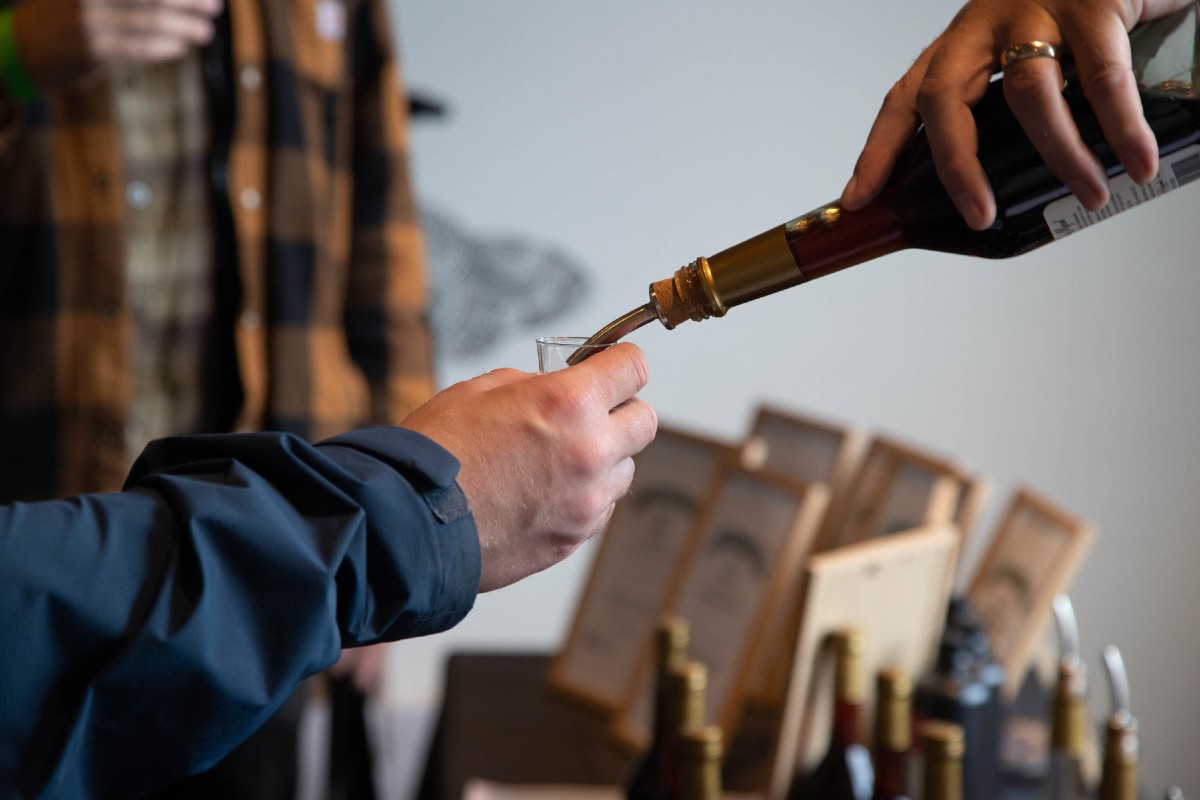
In the past—and here we’re only going back to 2010—you were typically presented with mead of the sack and hippocras types in very sweet versions, plus mead fortified with a good splash of pure alcohol, turning it into a sweet bitter. These were not styles that appealed to many of the new Danish mead makers whose products you can buy today. As a result, among a number of professional and hobby mead makers you can now find many exciting, great-tasting mead variations within the cyser, melomel, and metheglin spectrum. That also makes very good sense, as it means we use the raw materials that grow right outside the door and have a distinct local character.
It may come as a surprise that we have around 15 professional, food-approved mead makers in Denmark, all working hard to establish viable meaderies. It may also surprise you how many hobby mead makers there are, but when you consider that the Danish Beekeepers’ Association has 5,500 members who are all active beekeepers—and many of them naturally set about brewing a barrel or two from their surplus honey—the number of mead makers in Denmark becomes quite large. It therefore also feels like a major recognition that mead is now officially mentioned as a type of wine organised under the Danish Wine Association.


