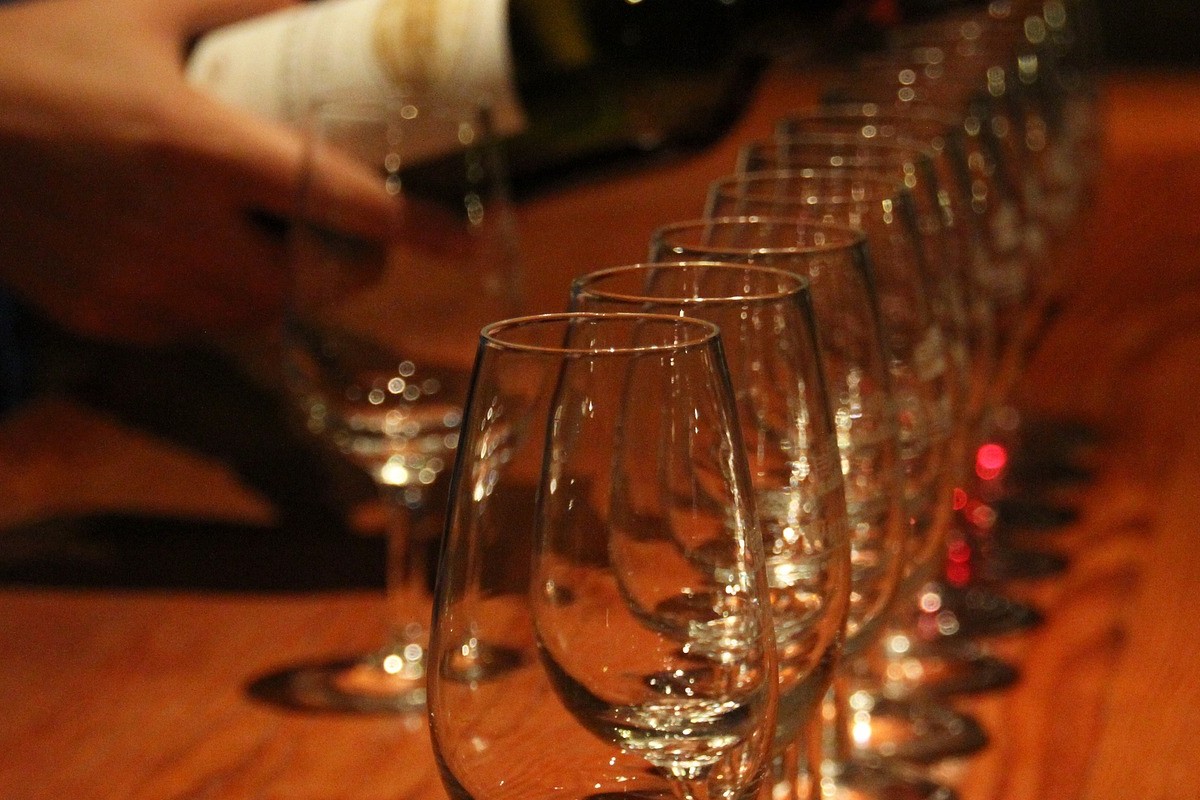
Denmark’s northern location creates a unique environment for fruit and berries. The long, bright summers and cool climate mean that fruit and berries have a long growing period and therefore the opportunity to develop exciting, complex flavour profiles that can be used in the production of fruit wine.
Since the beginning of the 2000s, a number of professional fruit-wine producers have been established, experimenting with using Danish fruit and berries to produce fruit wine. The focus is mainly on wine made from apples and sour cherries, respectively.
Throughout the 20th century, Danish fruit growers increasingly focused on developing fruit and berries for eating, while fruit and berries with lower acidity and higher tannin levels were pushed aside. This trend has reversed. Today, research and development focus on discovering—and especially rediscovering—varieties with more complex flavour profiles that are ideal for fruit wine. For example, sour cherries have a very different, more suitable flavour profile for fruit wine than sweet cherries. The same applies to the popular sweet-tart eating apples, which are far less suitable for fruit wine than varieties with a certain bitterness, such as so-called “cooking apples”.
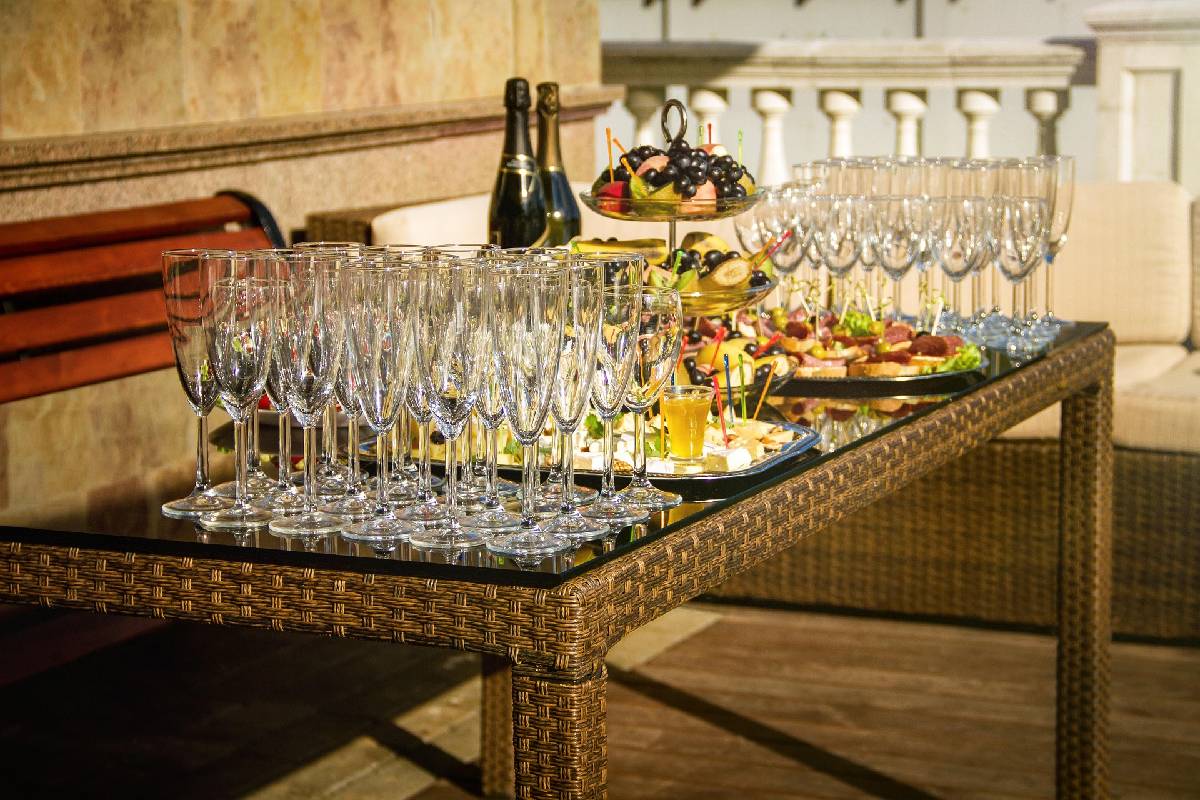
While the cool climate can create exciting flavour profiles, cold summers can reduce the chance of achieving a sufficiently high sugar content in the fruit. To get more natural fruit sugar for fermentation and thus reach 11–13% alcohol, some Danish fruit-wine producers use a natural process of cryo-concentrating the fruit juice.
Here, the juice is frozen, and only the first part of the thawed fruit juice is used. This takes advantage of the fact that the most sugar-rich and flavourful juice is the first to thaw, and that this method concentrates the sugar and the desired flavour compounds.
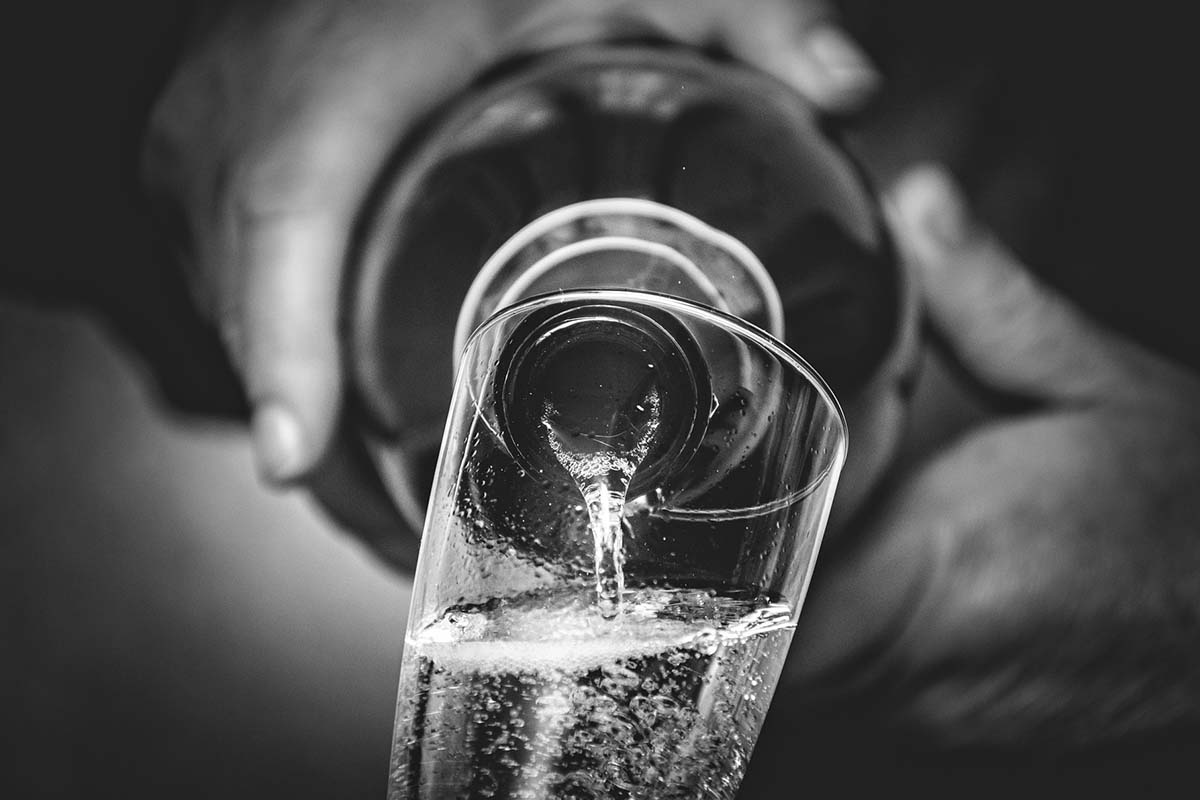
Sparkling fruit wine has seen strong growth in recent years. The quality of Danish sparkling fruit wine can now compete with sparkling wines from abroad.
Many sparkling fruit wines use the traditional production method, where the secondary fermentation takes place in the bottle (the Champagne method).
Many different fruits and berries are used, e.g. blackcurrants, raspberries, apples, rhubarb and elderflower.
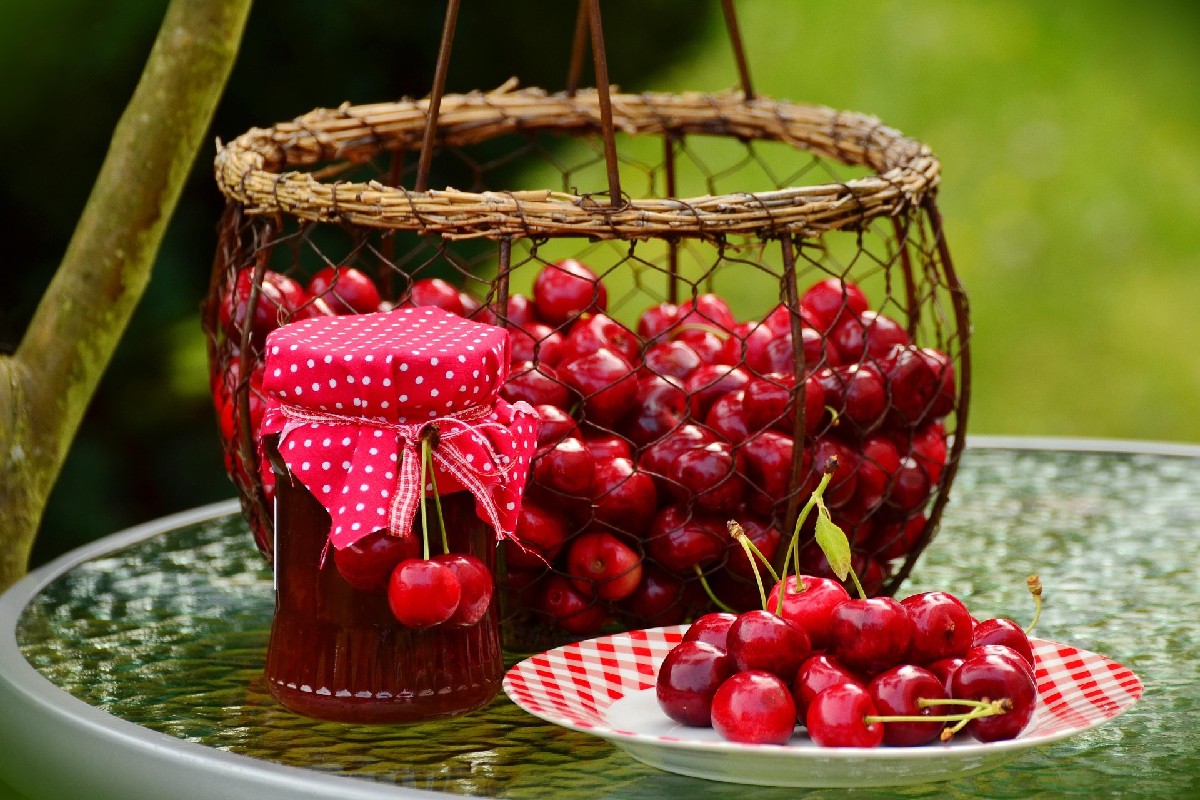
Today you can find high-quality wines based on sour cherries—also known as the Stevns cherry—which have won a number of international and Danish awards. After a sharp decline at the end of the 20th century, the sour cherry has gained ground as a fine berry for fruit-wine production—and is now referred to as the grape of the North.
Where cherry wine used to be only a sweet dessert wine, today you can find very exciting, complex cherry wines in many strengths and levels of sweetness.
Danish cherry wine is produced from the Stevns cherry, a small dark brown to black berry with high acidity. Trials show that, as with grapes, flavour and aroma are strongly influenced by climate and soil.
For many years, true wine lovers turned up their noses when cherry wine was mentioned. From the early 20th century up to the 1970s, Denmark had a large production and export of cherry wine and cherry liqueur, with Kijafa from Funen and Heering Cherry from Dalby on Zealand as the leading brands.
All over Denmark, on heavy clay soils, you could find large plantations of sour cherries, and cherry wine was produced on farms, but the industrial production of the cherry wine of the time did not involve fermenting the cherries; instead it was a blend of cherry juice, sugar and pure alcohol. By the logic of the day, this was a much easier way to control the process than risking a fermentation with a less certain outcome. Consumers loved the sweet cherry wine and liqueur. For example, Heering produced 35,000 litres of cherry wine per day in the 1950s.
In the name of industrialisation and efficiency, in the 1970s it was decided to select a single variety of sour cherry as the only berry for professional plantations. This became the Stevns cherry, which has a unique composition of sugar, acidity, colour and aromatic compounds. As an aside, it is not known what qualities were lost due to the sharp focus on the Stevns cherry.
In recent years, among others, the Pometum at the University of Copenhagen has collected different varieties of sour cherries that survived industrialisation, and experiments are being carried out with the rediscovered varieties—especially on the cherry plantations around Frederiksdal Estate, which is leading the work with sour cherries.


