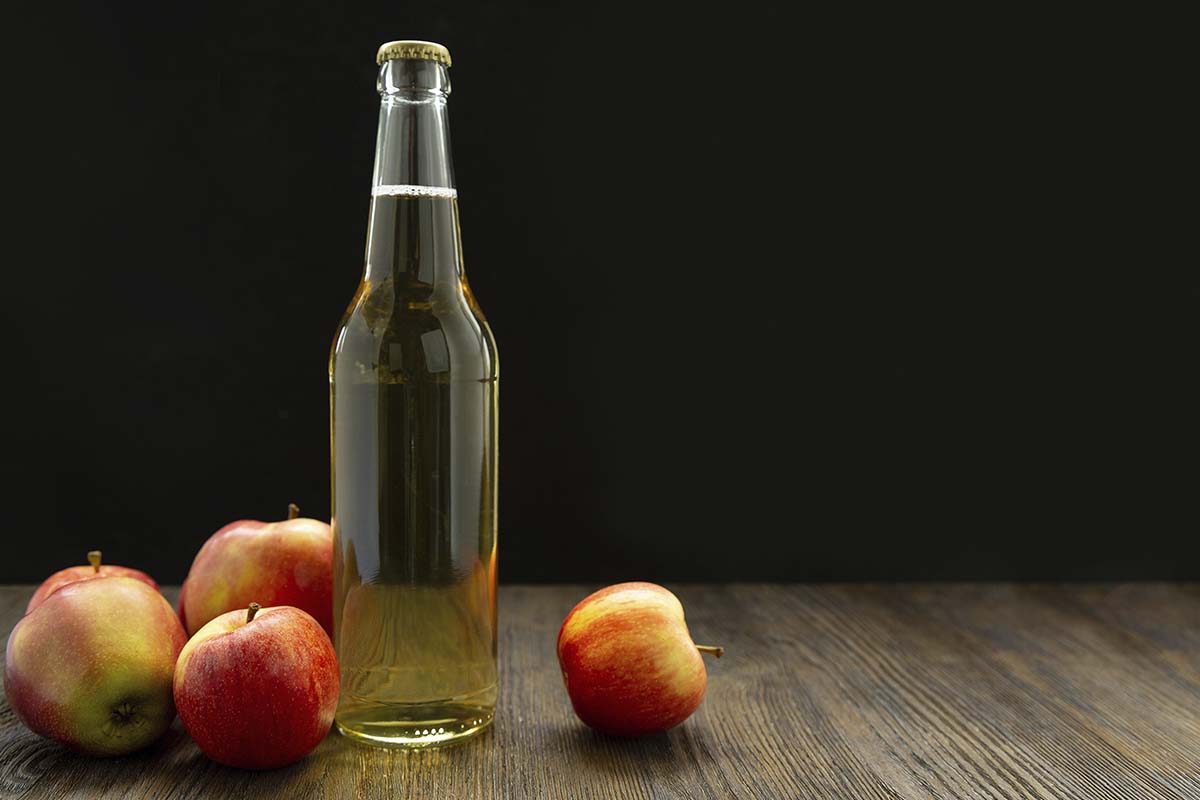
Denmark is an apple country, and with the many long, bright summer nights combined with not-too-high temperatures, apples get a long ripening period in which unique flavour and aroma can develop.
There are a number of old Danish varieties that are well suited for cider, including Ingrid Marie, Bramley and Belle de Boskov. In addition, research at the Pometum at the University of Copenhagen is focused on rediscovering other old Danish varieties and their aroma profiles in relation to cider—varieties that can be used on their own or blended with classic cider varieties from England and France.
The strong Danish tradition of producing cider and apple wine was close to being forgotten after World War II, but fortunately it continued among determined private producers, and since the 2010s a number of professional cideries have flourished in Denmark, producing high-quality cider—most often based on juice from their own orchard.
Danish cideries are typically small, craft-based producers, with small batches and a wide variation in flavour and strength.
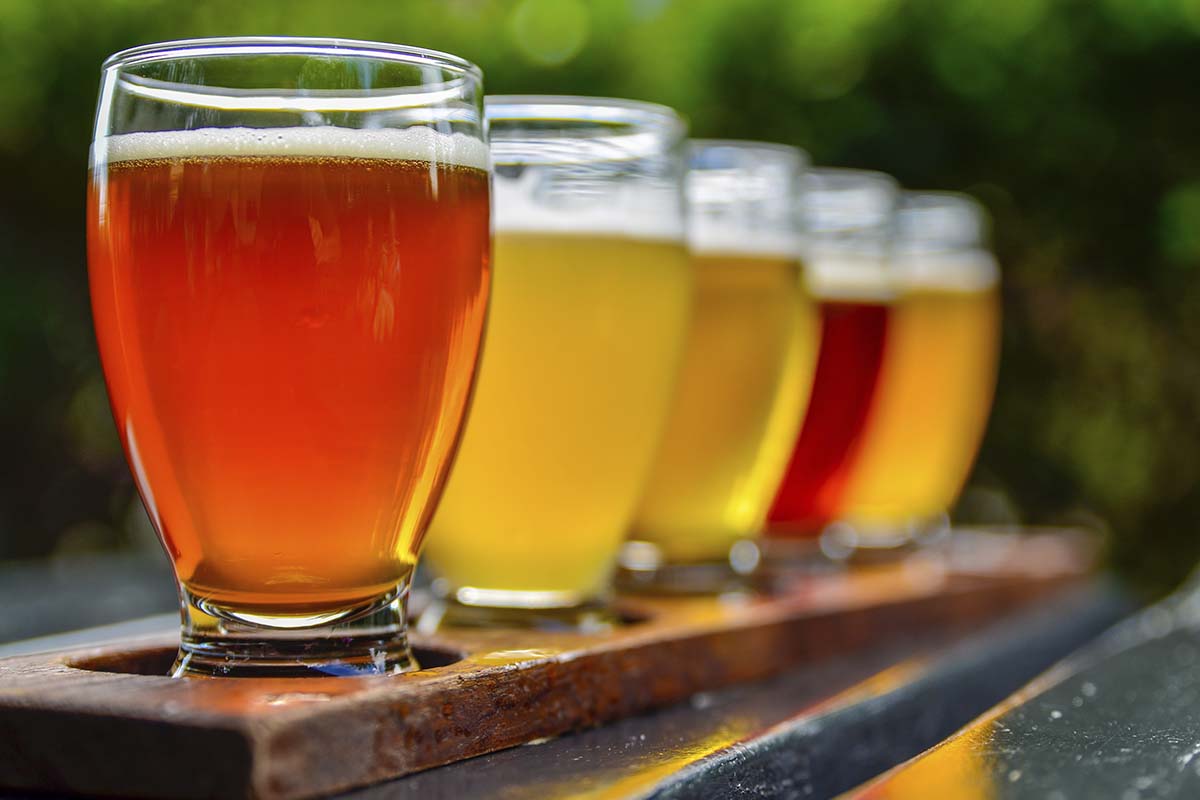
Danish cider typically has an alcohol content of 4–8% and is therefore lower than wines made from grapes. In Denmark, most ciders are produced as sparkling, unlike the major cider countries such as England and France, where you also find still cider.
Cider comes in countless flavour styles depending on the apple variety and level of sweetness: some are completely dry, others very sweet; some have high acidity, while others have lots of tannins. This means there is always a cider for any occasion. Some work well as a light summer drink, while others have a bold flavour profile that suits a good dinner with pork or lamb on the plate.


